
China’s BYD Overtakes Tesla as World’s Top Electric Vehicle Seller
China’s BYD has officially surpassed Tesla to become the world’s largest electric vehicle (EV) seller, marking a major shift in the global auto industry as Tesla reports a second consecutive year of declining vehicle deliveries.
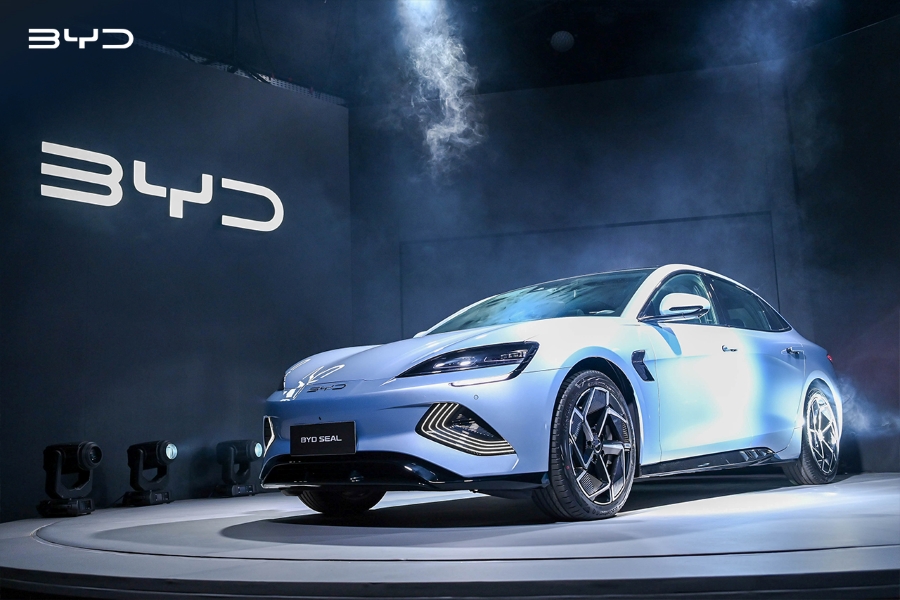
⚡ A Historic Shift in the EV Market
For the first time, China’s BYD has overtaken Tesla as the world’s biggest seller of electric vehicles, ending Elon Musk’s long-standing dominance in the global EV race.
According to company announcements this week:
Tesla sold 1.64 million vehicles globally in 2025, a drop of nearly 9% year-on-year
BYD sold more than 2.25 million battery-powered vehicles, representing almost 28% growth
The figures place BYD firmly at the top of the global EV leaderboard.
📉 Tesla’s Sales Slide Continues
Tesla’s decline marks its second consecutive year of falling deliveries, with an even sharper downturn in the final quarter of 2025:
Q4 2025 sales fell 16%
Sales were hit by the repeal of US government EV subsidies, which previously reduced vehicle prices by up to $7,500
Analysts say the loss of incentives, combined with growing competition, has weighed heavily on demand.
Wall Street firms have since lowered their Tesla sales forecasts for 2026, signaling a more cautious outlook.
🇨🇳 China’s EV Giants Apply Pressure
Chinese manufacturers—including BYD, Geely, and MG—have reshaped the EV market by offering competitively priced vehicles that often undercut Western brands.
BYD, now China’s largest electric carmaker, has expanded aggressively:
Latin America
Southeast Asia
Europe
Despite facing steep tariffs in several countries, BYD continues to gain ground globally.
In October, the company revealed that the UK had become its biggest market outside China, with sales surging 880% year-on-year, driven largely by demand for the Seal U plug-in hybrid SUV.
🔁 Tesla’s Countermove: Cheaper Models & Robots
In response to falling sales, Tesla launched lower-priced versions of its two best-selling models in the US in late 2025.
Meanwhile, Elon Musk is betting Tesla’s future on:
Robotaxis
Self-driving software
Humanoid robots (Optimus)
Under a controversial compensation deal approved by shareholders, Musk could receive a payout of up to $1 trillion—but only if Tesla meets ambitious performance targets, including selling one million humanoid robots over the next decade.
🤖 Can AI and Self-Driving Save Tesla?
Tesla’s share price has recently surged on optimism around its 2026 robotaxi rollout, but doubts remain.
Some analysts are bullish. Dan Ives of Wedbush Securities believes Tesla could control around 70% of the self-driving market over the next ten years, citing the company’s unmatched scale and data advantage.
Others remain skeptical, pointing to regulatory hurdles and technical challenges.
🧠 Investor Concerns Over Musk’s Focus
Investor unease has also grown over Musk’s many commitments—including:
X (formerly Twitter)
SpaceX
The Boring Company
A former role in the Trump administration’s Department of Government Efficiency
Musk has since stepped back from government responsibilities to refocus on Tesla.
⚖️ BYD vs Tesla: The Bottom Line
BYD leads in vehicle sales
Tesla remains more profitable (for now)
BYD’s growth slowed in 2025 due to fierce domestic competition
Tesla’s future hinges on AI, autonomy, and execution in 2026
🔍 What This Means
BYD’s rise signals a new era in the global EV industry, where pricing power, regional expansion, and supply chain strength matter as much as innovation. As 2026 unfolds, the battle between BYD and Tesla may define the future of electric mobility.
This story is developing.